
6 Ways to Thrive with a Pet Living in a Small Space
Small space, happy dog. Discover 6 practical tips for sharing a small apartment with your dog and how thoughtful urban pet care makes city life work.

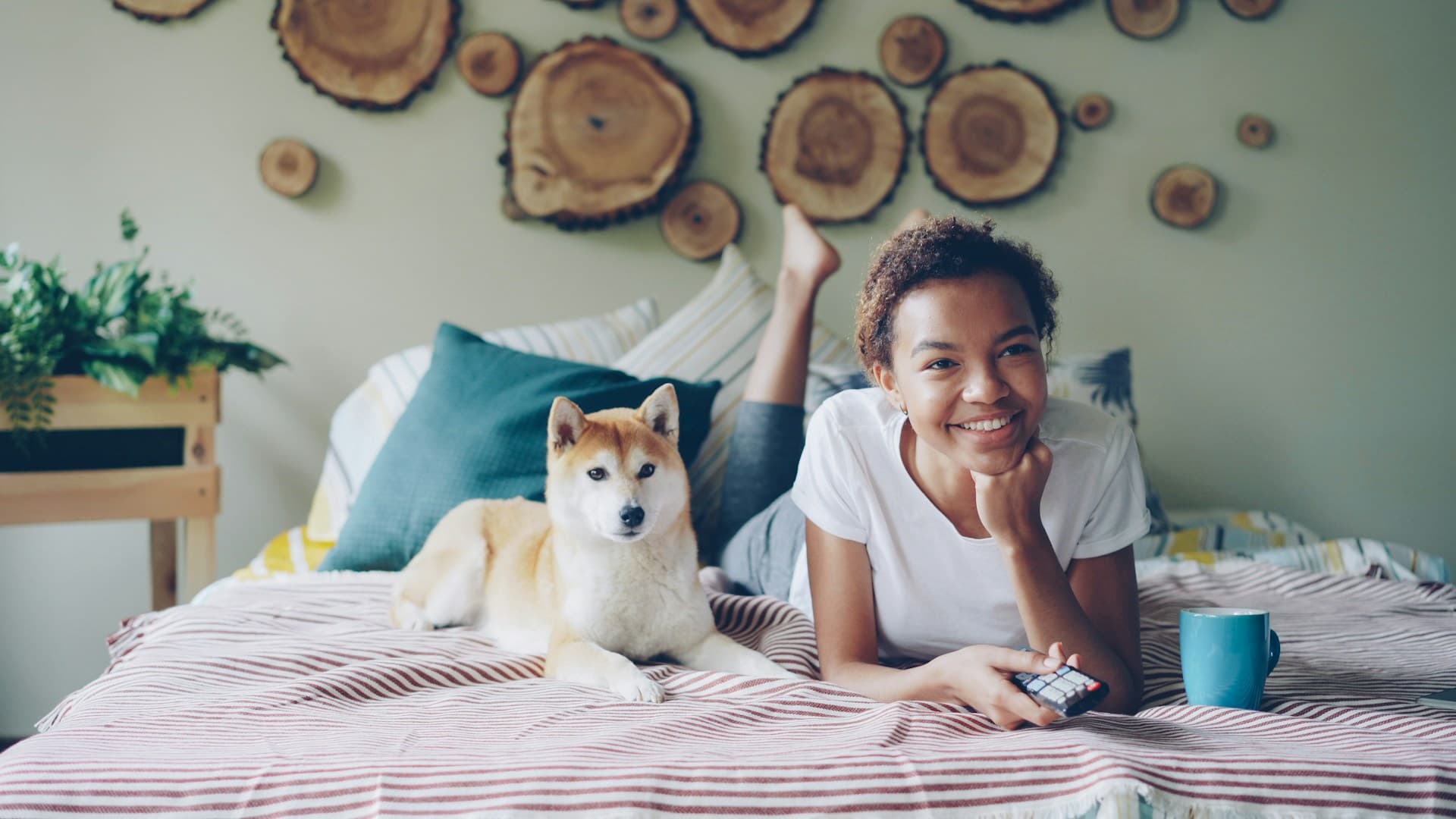
It’s an unfortunate reality that living in a city often means trading square footage for convenience, culture, and walkability. Thankfully, that doesn’t mean your dog has to miss out on a great quality of life.
With the right routines, tools, and mindset, dogs in apartments can thrive just as much as those with sprawling backyards. In fact, many city dogs can actually benefit from the structure and stimulation that comes with urban living.
Whether you’re new to city dog ownership or looking to improve your current setup, the most important part about small-space living is being intentional. From mental enrichment to smart storage, here are 6 ways to create a happy, balanced life for your dog through thoughtful urban pet care.
1. Create a dog-friendly setup that works with your space
When space is limited, every corner matters. Rather than trying to give your dog free rein of the entire apartment, it can be a lot more effective to create clearly defined “zones” that help them feel secure and settled.
A cozy sleeping area with a comfortable and supportive dog bed gives your pup a place to truly relax — especially in busy city environments where outside noise (hello, sirens and honking!) is unavoidable. Many apartment-friendly dog beds are designed with raised edges or calming materials that help dogs feel protected without taking up unnecessary floor space.
Meanwhile, for dogs that are crate trained — or benefit from having a den-like retreat — foldable or furniture-style crates are a smart solution. These options blend into your home while still offering structure and comfort. At mealtime, pairing a compact feeding station with a non-slip mat can also help keep mess contained, which is especially important when your kitchen and living space overlap.
Ultimately, the goal here isn’t to shrink your dog’s world. Instead, it’s to make it feel a little more predictable and welcoming within the space you have.
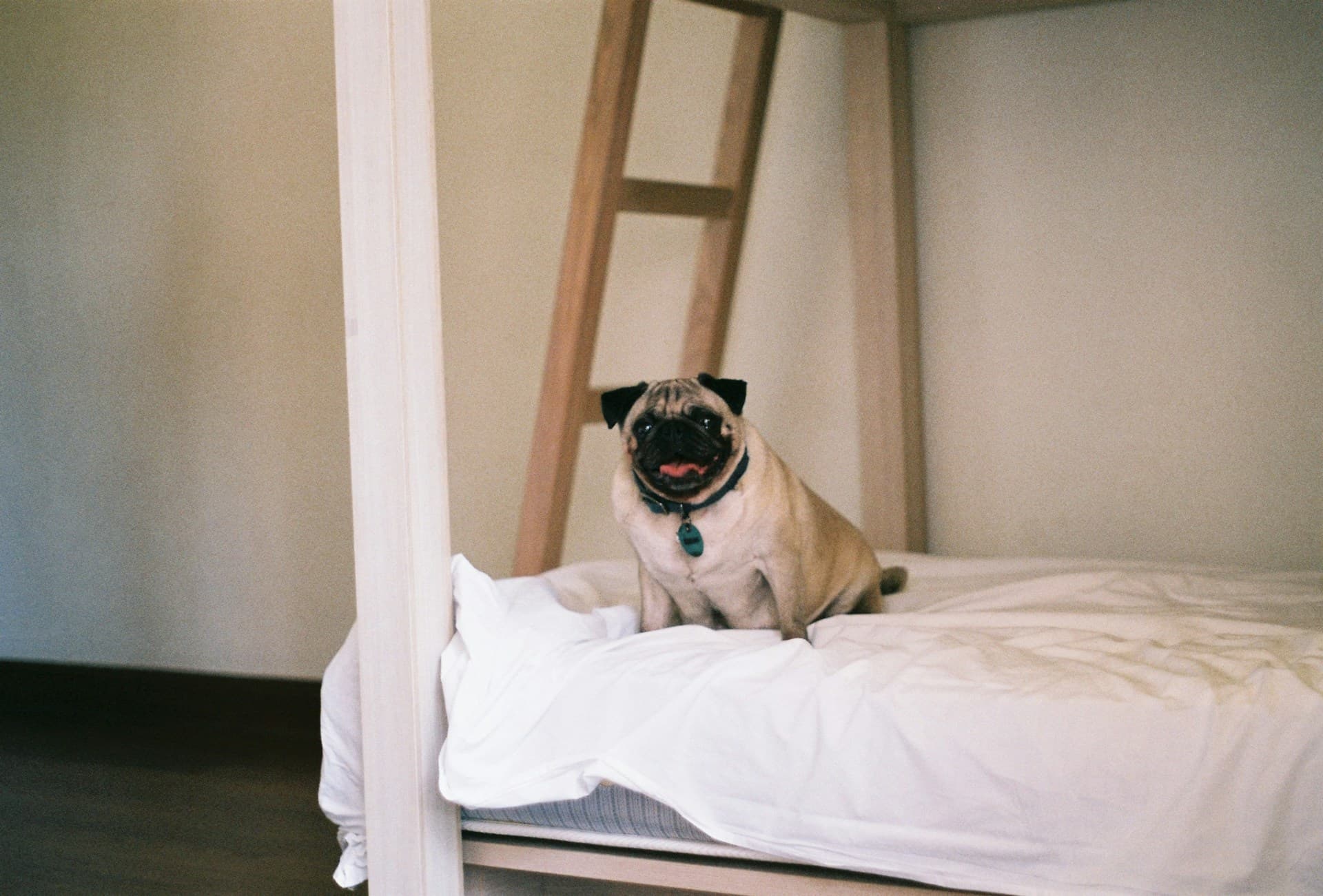
2. Make daily exercise a priority (even without a yard)
One of the biggest myths around dogs in apartments is that they don’t get enough exercise. In reality, city dogs often get more structured physical activity than their suburban counterparts — it just looks a little different.
Daily walks are the backbone of city dog ownership, but quality matters more than length. A brisk morning walk, a shorter midday break, and a slower evening stroll can provide both physical movement and mental stimulation. Using a well-fitted harness rather than a collar can give you better control in busy areas while keeping your dog comfortable during longer walks.
Additionally, urban-friendly walking gear like hands-free leashes can be especially useful if you’re navigating sidewalks, carrying coffee, or juggling bags. For warmer months, portable water bottles with built-in bowls make it easy to keep your dog hydrated without heading home early.
Even small bursts of movement — like quick training sessions on the sidewalk or stair climbs in your building — add up over time and help release pent-up energy.
3. Mental stimulation is essential in small spaces
In terms of urban pet care, mental enrichment is a necessity. When dogs don’t have a yard to explore freely, engaging their minds becomes just as important as physical exercise.
Interactive dog toys are one of the easiest ways to keep dogs entertained indoors. Puzzle toys that release treats slowly encourage problem-solving and focus, while snuffle mats tap into your dog’s natural foraging instincts. Even something as simple as freezing treats inside a durable chew toy can turn downtime into a rewarding challenge. These activities can be especially helpful during work hours or bad weather days when outdoor time is limited.
PRO TIP: Rotating toys rather than leaving everything out all at once helps maintain novelty and excitement.
If your dog feels mentally stimulated, they’re a lot less likely to get bored. This, in turn, helps reduce anxiety and prevents any destructive behavior or excessive barking — both of which are common concerns for apartment dwellers.
4. Build routines that fit city life
Consistency is one of the most powerful tools in city dog ownership. It’s pretty simple: Dogs thrive on routine, and predictable schedules help them adapt to the fast pace and unpredictability of urban environments.
For example, feeding at the same times each day, sticking to regular walk schedules, and setting aside dedicated playtime can make a world of difference. For busy city households, automatic feeders can be helpful for maintaining consistency, especially on long workdays where sticking to a strict routine might get a little complicated.
Urban environments also come with unique stressors — sirens, crowds, construction noise, you name it — so incorporating calming elements into your routine is key. Ideally, things like natural calming sprays, diffusers, or chews can support dogs who are sensitive to noise or more susceptible changes in their environment. Better yet, these can be especially beneficial when used alongside positive reinforcement training.
At the end of the day, the more your dog knows what to expect, the more confident and relaxed they’ll feel, even if they’re in a small space
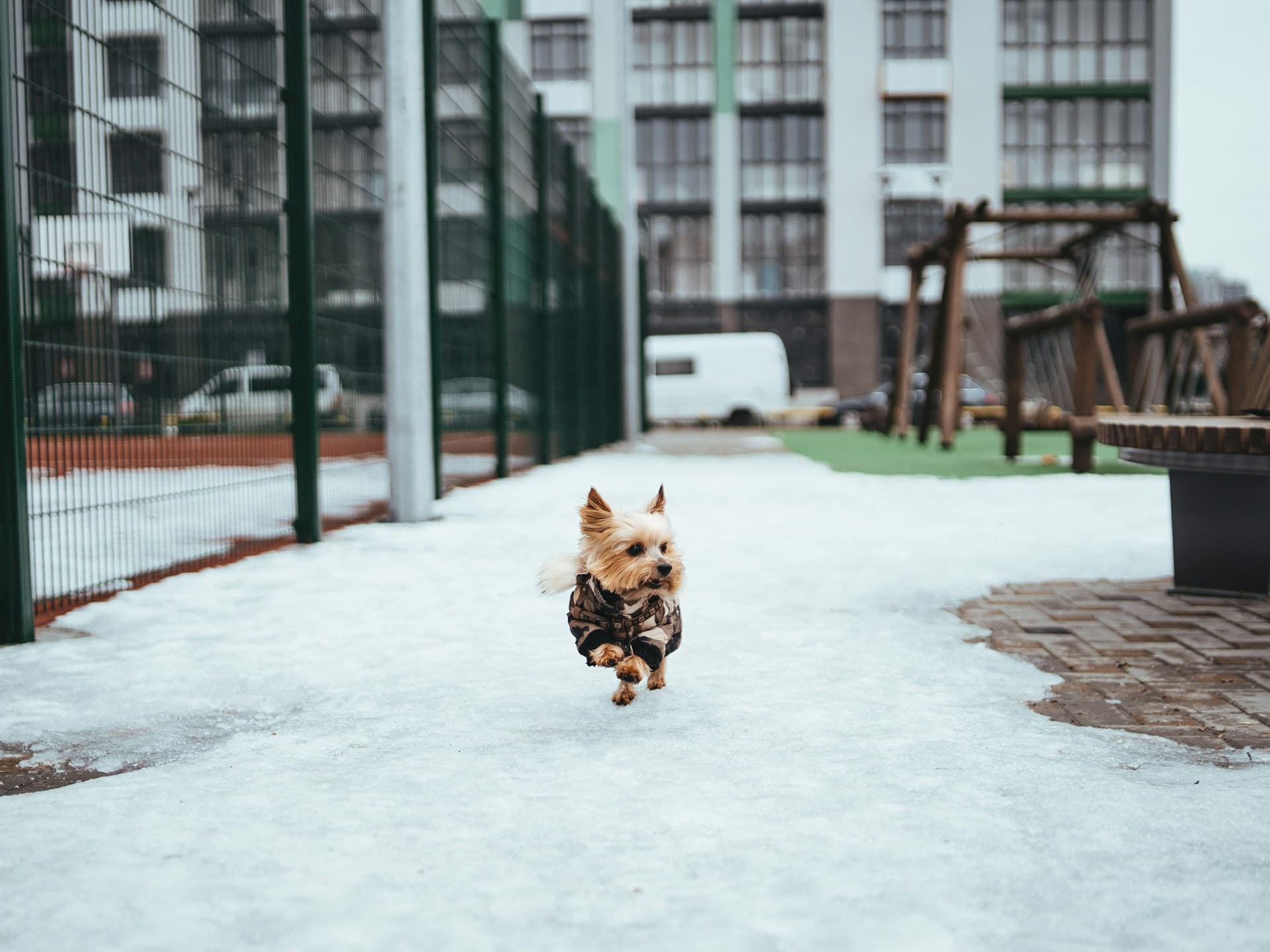
5. Be mindful of noise, neighbors, and shared spaces
The thing about apartment living is that it comes with shared walls and spaces. And being proactive (not reactive) about noise management is part of responsible urban pet care.
If your dog tends to bark when left alone, addressing separation anxiety early is crucial. You can try to do this by providing enrichment before you leave. For example, a long-lasting chew or puzzle toy before you head out the door can help ease the transition. Similarly, creating a comfortable, quiet area where your dog feels safe while you’re not around to “protect” them can also reduce stress-related behaviors.
Some pet parents find that playing calming music helps mask outside noise and creates a more peaceful environment. Finally, pet cameras can also be useful for checking in during the day and understanding your dog’s behavior when you’re not home. Bonus points if you can speak to your dog through the camera!
Outside your space, things like respecting shared spaces, cleaning up promptly, and keeping dogs leashed in common areas all contribute to a more positive experience for everyone in your building.
6. Keep your small space clean and organized
Cleanliness matters more when you and your dog share close quarters. As a result, managing things like shedding, odors, and muddy paws all over the carpet is an ongoing part of apartment life. Luckily, even if you feel like your schedule is already to the brim, taking care of these basics doesn’t have to be overwhelming.
Compact grooming tools — like deshedding brushes or paw cleaners — make it easy to stay on top of messes without turning grooming into a major production. On top of that, quick-clean solutions, such as odor-neutralizing sprays or washable mats near the door, can also help keep your space fresh even after rainy walks.
To make things even easier for you, we recommend creating a designated storage for toys, treats, and supplies. This only saves space, but it also makes daily routines smoother for both you and your dog, since you’ll both know where something is when you need (or want) it.
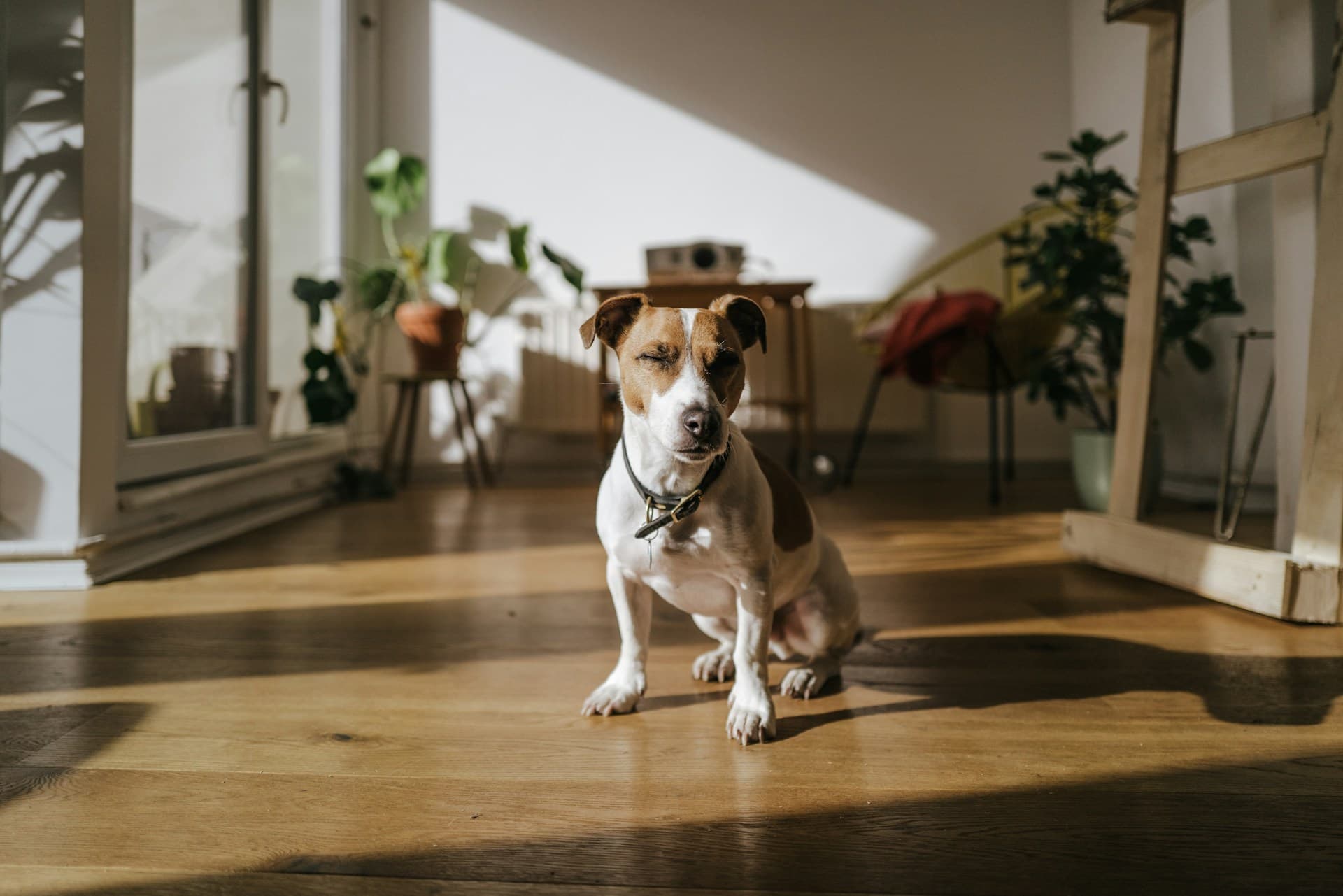
A small space can still equal a big quality of life
At the end of the day, living in a smaller home doesn’t mean compromising on care. Through a combination of thoughtful routines, intentional enrichment, and the right tools, dogs in apartments can live full, happy, and well-balanced lives.
In fact, in many ways, city dog ownership can actually encourage stronger bonds, better communication, and more shared experiences between pets and their people. After all, there’s only so much space to share, which encourages more interaction and time spent together.
The thing about urban living is that it simply asks us to be more deliberate — and when it comes to urban pet care, a little planning goes a long way to make even the smallest space feel like home.

About Freshly Fetched Team
The Freshly Fetched team are passionate dog owners who love nothing more than exploring the world with their four-legged companions. Our mission is simple: help dog owners make better decisions for their pets and enjoy life together, one fetch at a time.
Related Articles
15 Unique Gift Ideas for Dog Moms
Struggling to find the perfect gift for the dog mom in your life? From funny to luxury, here are 15 unique dog mom gifts that she'll absolutely adore.
The Modern Dog Owner's Guide to Work-Life-Pet Balance
Find harmony between your job and your dog’s needs with smart routines, helpful tools, and easy dog ownership tips for modern working pet parents.