
How to Reduce Anxiety in Dogs Naturally
Discover natural ways to reduce dog anxiety using holistic training, mental stimulation, nutrition, and gentle support to improve your dog’s mental health.


Test - Anxiety is a lot more common in dogs than many pet owners realize. From excessive barking and destructive chewing to trembling or withdrawal, anxious behavior can deeply affect a dog’s quality of life.
Truth is, addressing your dog’s mental health concerns is just as important as caring for their physical well-being. And the good news is that there are plenty of effective, natural ways to help.
In this guide, we’ll take a look at five proven dog anxiety solutions that focus on holistic care, lifestyle adjustments, and gentle support. Each of these solutions is designed to help your dog feel calmer, safer, and more confident without relying solely on medication — which is especially reassuring if you’re hesitant about long-term pharmaceutical use for your dog.
Understanding dog anxiety and mental health
Dog anxiety is more than occasional nervousness or temporary stress. It’s a persistent emotional state that can develop due to a variety of triggers like separation, loud noises, past trauma, lack of socialization, or even boredom.
When that anxiety is left untreated, it can escalate into long-term behavioral and health issues that impact a dog’s overall quality of life.
As such, supporting dog mental health means addressing the root causes of stress rather than just reacting to symptoms as they arise. Although conventional treatments — such as prescription medications and behavioral interventions — are available, some pet parents prefer to explore more natural, gentle options first.
These natural approaches focus on balance — combining physical activity with mental stimulation, emotional security, and trust — and, together, they create a healthier emotional state for your dog that benefits both you and them.
Exercise and mental stimulation: the foundation of calm behavior
One of the most effective dog anxiety solutions starts with something simple but often underestimated: regular, structured exercise combined with meaningful mental stimulation.
Dogs are naturally active, curious animals — and when those instincts aren’t properly fulfilled, anxiety often fills the gap. Restlessness, pacing, excessive barking, and destructive behavior are frequent signs that your dog needs a little more than just basic physical outlets.
Thankfully, physical exercise helps regulate stress hormones and releases pent-up energy, which can immediately reduce anxious behaviors. However, it’s not just about tiring your dog out — it’s about engaging both the body and the mind. Activities that allow dogs to explore, problem-solve, and focus tend to be especially effective for supporting dog mental health.
Some of the most beneficial activities include:
Daily walks that allow time for sniffing and exploration, rather than rushed walks focused only on distance
Puzzles and interactive dog toys that encourage problem-solving and slow, focused engagement
Scent and enrichment games, which tap into a dog’s natural instincts and promote calm concentration
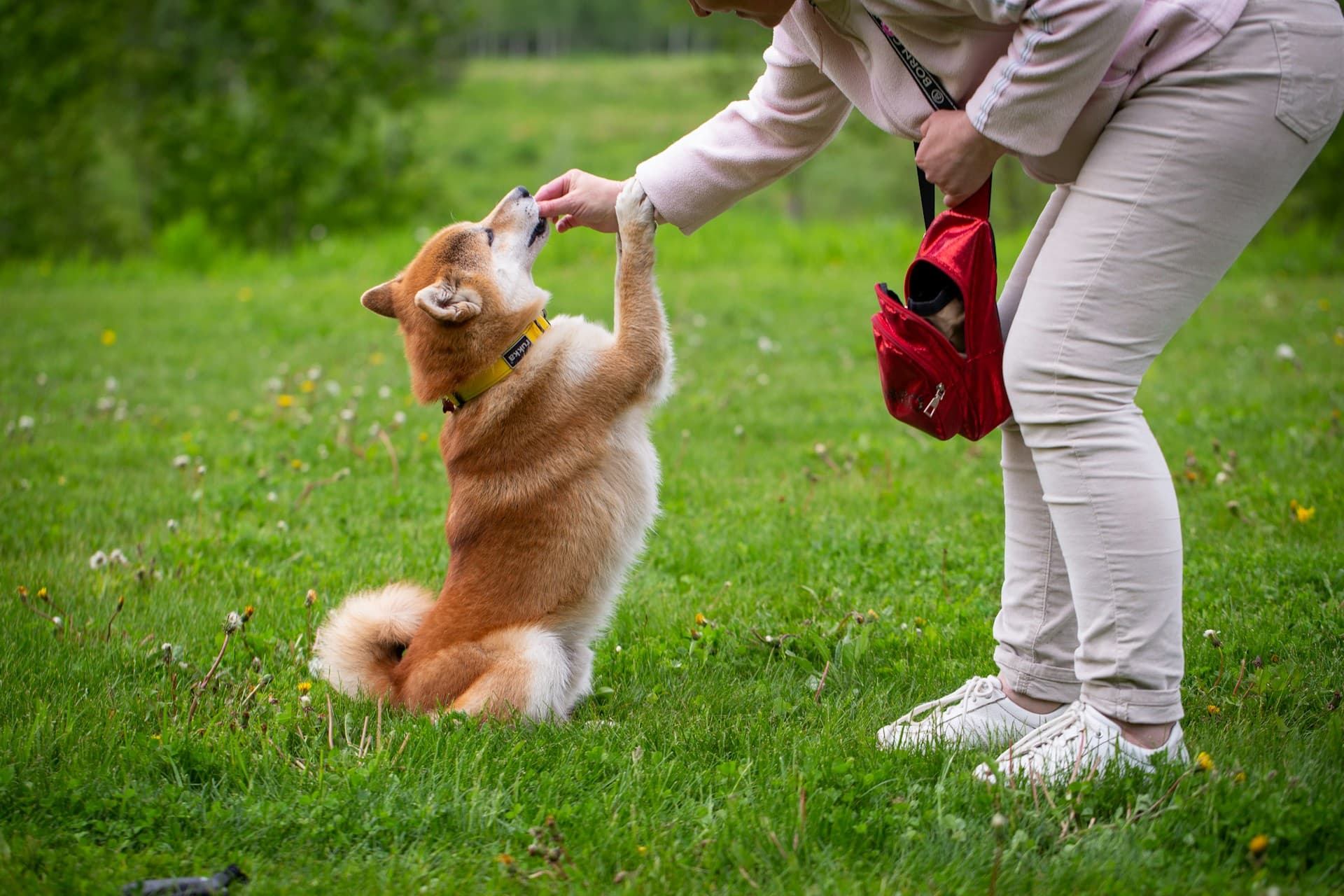
Short, structured training sessions that challenge the mind while reinforcing confidence and trust
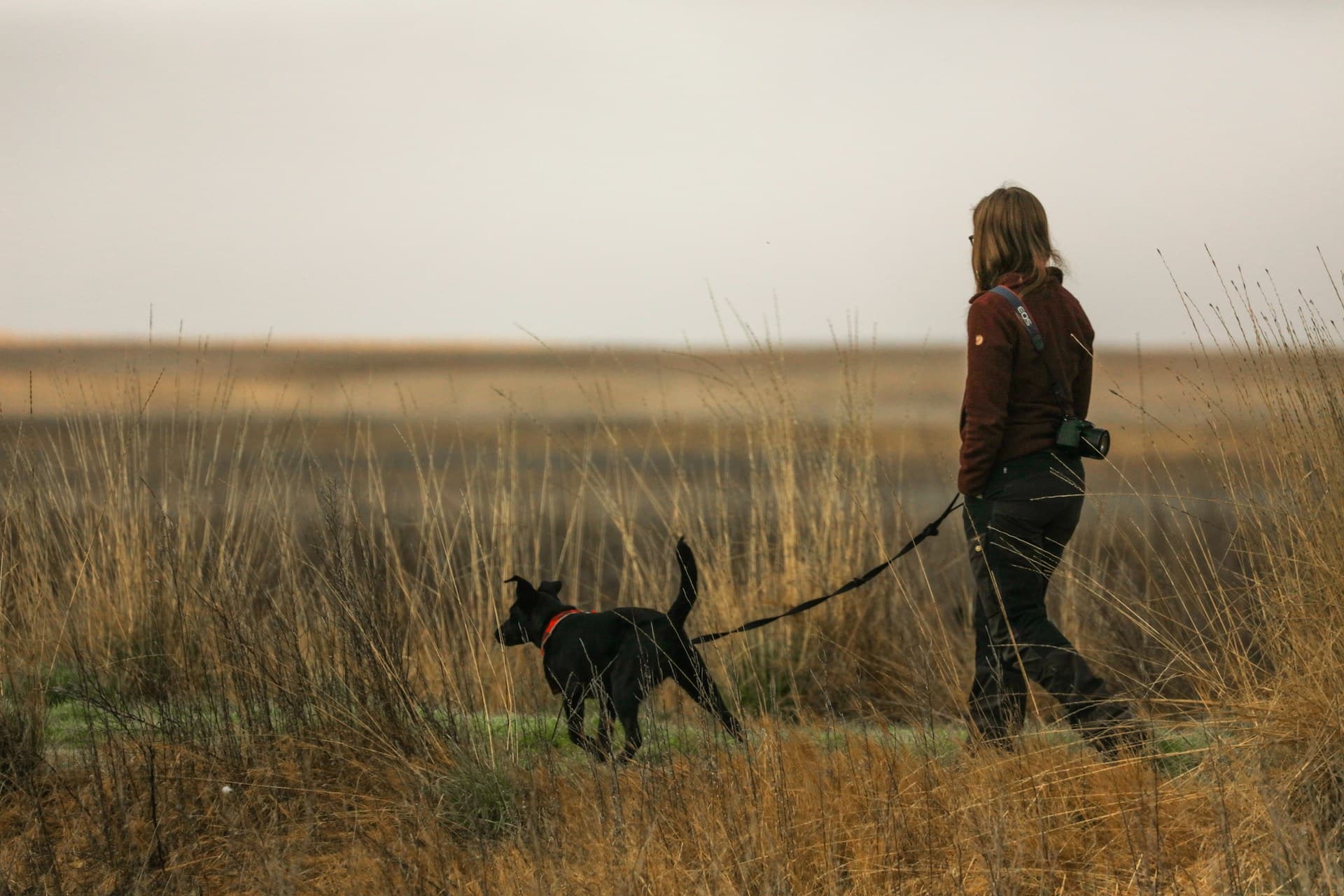
Mental stimulation becomes even more important for dogs who spend a lot of time alone during the day. Without engaging outlets, boredom can quickly turn into anxiety. Enrichment toys, rotating puzzles, and food-dispensing games help create a sense of purpose and routine that can be incredibly calming.
Many dog owners notice that, once mental stimulation is treated as a daily necessity — rather than an occasional extra — their dogs become more relaxed, attentive, and emotionally balanced overall. Better yet, over time, this combination of physical activity and mental engagement lays a strong foundation for calmer behavior and improved emotional well-being.
Holistic dog training for long-term anxiety relief
Holistic dog training is rooted in the idea that behavior is closely tied to emotional well-being. So, rather than focusing solely on obedience or correcting unwanted actions, this approach prioritizes how a dog feels, learns, and responds to stress. For pups struggling with anxiety, this shift in perspective can make a massive difference.
Traditional, punishment-based training methods may suppress anxious behaviors in the short term, but they often increase fear and confusion over time. Meanwhile, holistic dog training emphasizes positive reinforcement, clear communication, and emotional safety.
Remember: The goal isn’t to force compliance, but to help dogs feel secure enough to make calm choices on their own.
By creating predictable routines and reinforcing desired behaviors consistently, holistic training helps reduce uncertainty — a major trigger for anxiety. That way, dogs learn what to expect from their environment and from their humans, which builds confidence and trust, which then allows anxious dogs to cope more effectively with new situations instead of reacting out of fear.
For pet parents dealing with issues like separation anxiety or noise sensitivity, for example, holistic dog training can be especially impactful. Online training programs and positive-reinforcement courses typically offer structured guidance that fits naturally into everyday life — all of which makes them practical, long-term solutions for supporting dog mental health.
Use natural calming supplements and remedies
For some dogs, lifestyle changes like exercise, training, and enrichment may not be enough on their own. In these cases, natural calming supplements can play a supportive role in improving dog mental health — especially when used alongside a well-rounded routine. These products are often formulated to promote relaxation gently, without causing drowsiness or altering your dog’s personality.
Additionally, natural calming supplements can be particularly helpful for dogs who experience situational anxiety — such as during thunderstorms, fireworks, car rides, or vet visits. Alternatively, others are designed for daily use, offering ongoing emotional support for dogs with chronic stress or nervous tendencies.
IMPORTANT: As with any supplement, it’s important to consult your veterinarian before introducing new products, especially if your dog is already taking medication or has underlying health conditions.
Many high-quality calming products rely on ingredients that are known to support the nervous system, including:
L-theanine, an amino acid that helps promote relaxation without sedation
Chamomile and valerian root, commonly used to ease nervousness and tension
CBD derived from hemp, which may help regulate stress responses when sourced from vet-approved products
Probiotics, which support the gut-brain connection and may positively influence mood and behavior
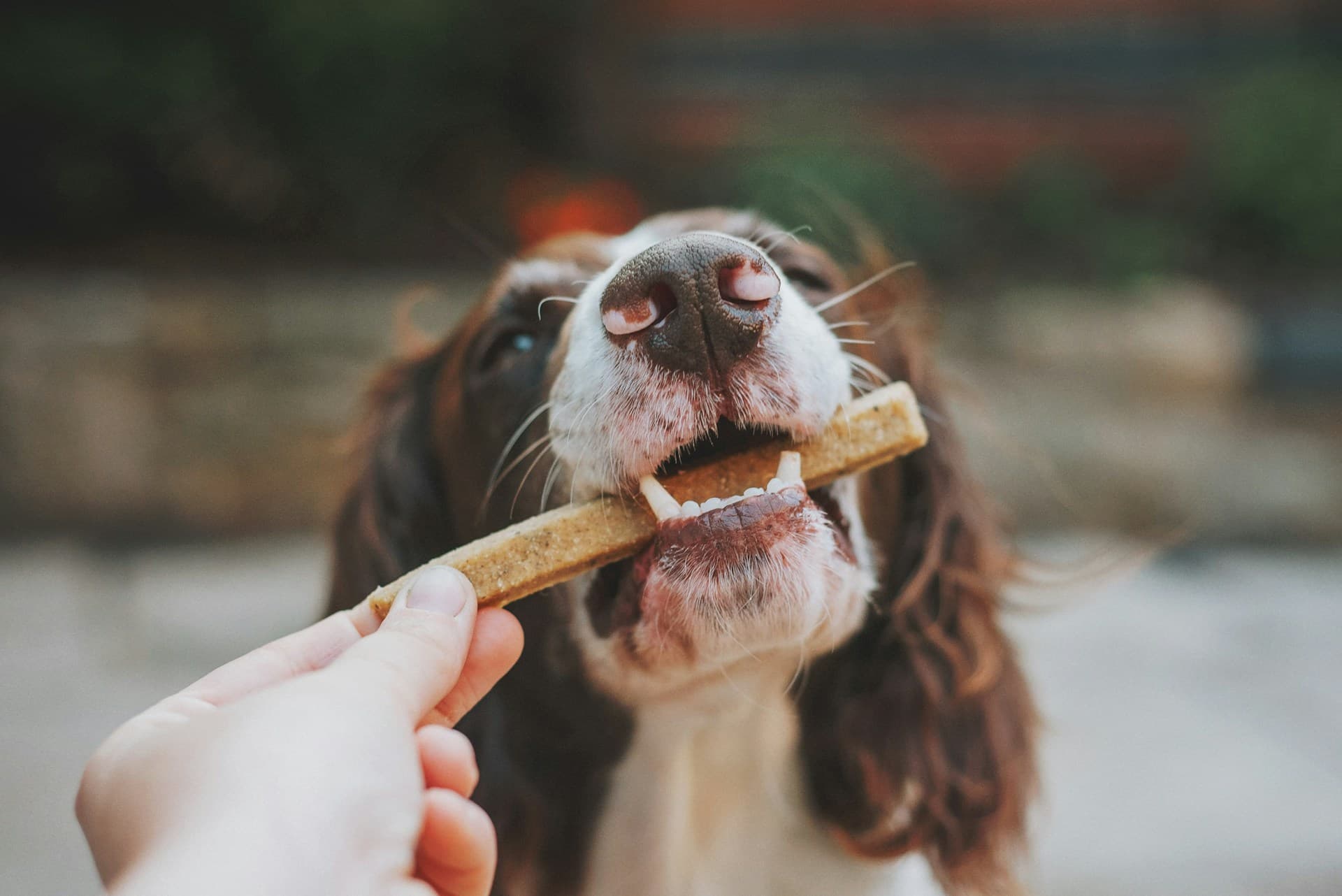
Calming dog chews, powders, or liquid supplements can be an easy addition to a dog’s daily routine, particularly for pet parents looking for gentle dog anxiety solutions.
Creating a calm and safe home environment
A dog’s environment has a powerful influence on their emotional state — especially for dogs prone to anxiety. Loud noises, unpredictable schedules, and overstimulating surroundings can all contribute to heightened stress levels. Luckily, the good news is that even small, intentional changes at home can create a sense of safety and predictability that helps anxious dogs relax.
Consistency is one of the most important factors. Maintaining regular feeding times, walks, and rest periods helps dogs understand what to expect each day, which reduces uncertainty — a common trigger for anxiety. That’s why finding the perfect work-life-pet balance is so important for dog owners.
Alongside routine, having a quiet, designated space where your dog can rest uninterrupted gives them a reliable place to decompress when they feel overwhelmed.
Sound and scent can also play a subtle but meaningful role in calming anxious dogs. Soft background noise — such as calming music or white noise — may help mask sudden sounds that cause stress. Similarly, pheromone-based diffusers that mimic natural comfort signals can promote a sense of familiarity and reassurance in the home environment.
Comfort-focused items, like supportive dog beds or safe-space crates, can further enhance this sense of security. For many anxious dogs, simply knowing they have a cozy, protected area to retreat to can make a noticeable difference in their overall behavior and emotional balance.
Nutrition and its impact on dog mental health
What a dog eats doesn’t just affect their physical health, it can also play an important role in mood, focus, and emotional regulation. Diets made with low-quality ingredients or excessive additives can contribute to restlessness, irritability, and inconsistent energy levels — all of which may worsen anxiety-related behaviors.
On the other hand, nutrition that supports dog mental health typically emphasizes high-quality proteins, healthy fats, and minimal processing. Omega-3 fatty acids, in particular, are known to support brain function and emotional stability, while a balanced gut microbiome can influence behavior through the gut-brain connection. This is why digestive health and emotional well-being are often closely linked.
In fact, many dog owners often report positive changes in behavior after transitioning to more natural, minimally processed foods or incorporating targeted supplements like omega-3s and probiotics. Over time, these nutritional adjustments can help support calmer behavior, improved focus, and better overall emotional resilience.
When to seek professional support
While natural dog anxiety solutions are highly effective for many dogs, some situations require professional guidance. Severe anxiety, aggression, or self-harming behaviors should always be evaluated by a veterinarian or certified behaviorist.
Holistic veterinarians and positive-reinforcement trainers can often help worried pet owners create personalized plans that combine training, environmental changes, and natural remedies for the best results.
Supporting your dog’s mental health naturally
Reducing anxiety in dogs naturally isn’t about quick fixes (sorry!). Whether you’re dealing with mild nervousness or managing long-standing anxiety issues, it’s actually about consistency, patience, and understanding.
That said, by focusing on dog mental health, providing proper stimulation, using holistic dog training methods, and choosing gentle support tools, you can help your anxious pup feel more secure and confident over time.
This progress often shows up in calmer behavior, improved focus, and a stronger bond between you and your dog.
Whatever approach you choose, remember that meaningful change doesn’t happen overnight. Start with one or two small adjustments, observe how your dog responds, and build your routine from there. With patience, consistency, and plenty of love, natural solutions can make a lasting difference in your dog’s happiness and overall well-being — even when the journey feels challenging.

About Freshly Fetched Team
The Freshly Fetched team are passionate dog owners who love nothing more than exploring the world with their four-legged companions. Our mission is simple: help dog owners make better decisions for their pets and enjoy life together, one fetch at a time.
Related Articles
Nutrition 101: Designing the Perfect Diet Plan for Your Dog's Needs
Learn how to design a simple diet plan for your pup that supports optimal dog nutrition through balance, consistency, and smart everyday choices.

How to Prevent Canine Dental Disease
Learn how to prevent canine dental disease naturally with safe home remedies, better habits, and vet-approved dog dental care tips to keep them smiling longer.